
Cy7 Fluorescent Labelling

Cy7
Cy7 Maleimide

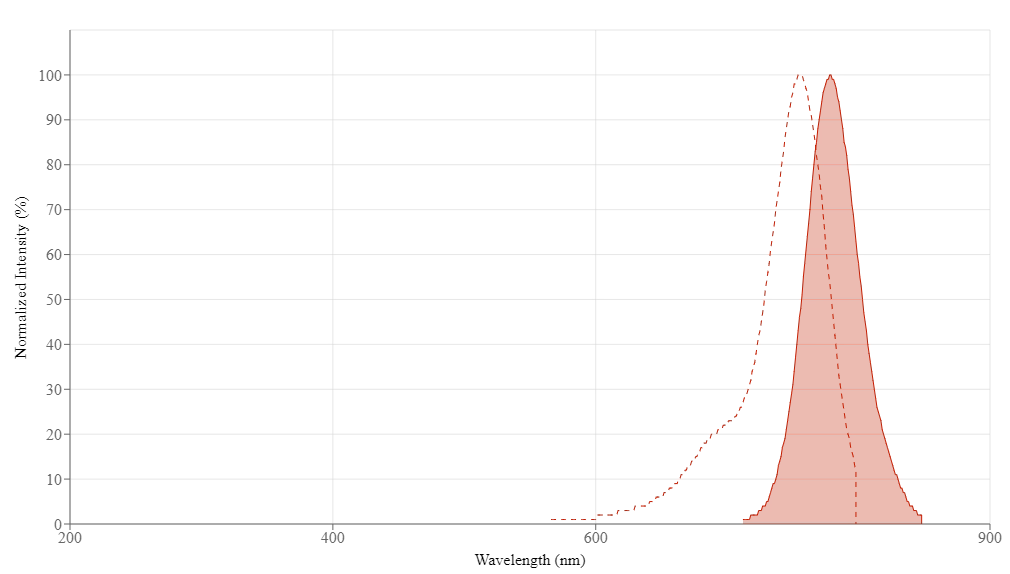
Fluorescent labelling with Cy7 has emerged as a cornerstone technology in advanced biomedical imaging, enabling researchers to visualize biological processes with unprecedented depth and clarity. As a member of the heptamethine cyanine dye family, Cy7 is characterized by its exceptional near-infrared (NIR) fluorescence properties, with excitation and emission maxima at approximately 749 nm and 776 nm, respectively. This spectral positioning within the NIR optical window (650–900 nm) minimizes interference from endogenous biomolecules like hemoglobin and water, allowing for deep tissue penetration of up to 15 cm and significantly reducing background autofluorescence. The strategic application of Cy7 labelling has revolutionized fields ranging from in vivo imaging and photodynamic therapy to drug delivery systems, with recent advances even witnessing a Cy7-based theranostic agent enter clinical trials. Understanding the principles, methodologies, and applications of Cy7 conjugation is therefore essential for researchers seeking to leverage this powerful tool in their investigations.


Key Takeaways

  • Cy7 exhibits excitation/emission maxima at ~749/776 nm, placing it within the ideal NIR window for deep-tissue imaging with minimal background interference.
  • The dye’s heptamethine structure enables dual functionality as both a fluorescent probe and a photosensitizer for photodynamic and photothermal therapies.
  • Conjugation typically employs NHS ester chemistry targeting primary amines or maleimide chemistry for thiol-specific labelling, with reaction conditions carefully optimized to preserve biomolecular activity.
  • Cy7-labelled peptides and proteins are indispensable tools in in vivo imagingtheranostic agent development, and studies of cell-cell interactions such as the LIPSTIC technique.

Fundamentals of Cy7 Structure and Photophysics

Chemical Architecture of Heptamethine Cyanine Dyes

The molecular structure of Cy7 is defined by a central conjugated polymethine chain connecting two nitrogen-containing indole heterocycles. This heptamethine framework creates an extensive π-conjugated system responsible for the dye’s strong absorption in the NIR region. One indole moiety carries a positive charge, resulting in a delocalized cationic structure that influences both the dye’s photophysical behavior and its interaction with biological environments. This unique architecture not only confers exceptional brightness but also enables structural modifiability at multiple sites, allowing researchers to fine-tune properties such as water solubility, targeting specificity, and photosensitizing efficiency.

Spectral Advantages and the NIR Optical Window

The placement of Cy7’s fluorescence within the NIR region is of paramount biological significance. Between 650 nm and 900 nm, light absorption by hemoglobin, water, and lipids is minimal, creating a “therapeutic window” where photons can penetrate tissues deeply without significant attenuation. Consequently, Cy7-labelled probes can be visualized through several centimeters of tissue, making them ideal for whole-animal imaging studiesintraoperative guidance, and deep-tumor visualization. Furthermore, the absence of endogenous NIR fluorescence in most biological specimens ensures exceptionally low background signals, dramatically improving the signal-to-noise ratio in imaging experiments.

Find out more about fluorescent peptides here.

Conjugation Chemistry and Methodologies

NHS Ester Chemistry for Amine Labelling

The most prevalent strategy for Cy7 conjugation targets primary amine groups present on lysine residues or protein N-termini. This approach utilizes Cy7-NHS ester derivatives, where the N-hydroxysuccinimide moiety acts as a leaving group upon nucleophilic attack by the amine. The reaction proceeds efficiently under mild, weakly alkaline conditions (pH 7.4–8.5), forming a stable amide bond that covalently links the dye to the biomolecule. Researchers must carefully control the molar ratio of dye to protein, typically ranging from 3:1 to 10:1, to achieve optimal labelling density while avoiding excessive modification that could compromise biological function.

Maleimide Chemistry for Thiol-Specific Conjugation

For applications requiring site-specific labelling, maleimide-functionalized Cy7 offers an elegant solution by targeting the thiol groups of cysteine residues. This Michael addition reaction proceeds rapidly under physiological conditions and provides positional control when cysteines are strategically introduced into peptide sequences. In some cases, mild reduction may be necessary to expose previously oxidized or disulfide-bonded thiols before conjugation.

Reaction Optimization and Purification

Successful Cy7 labelling demands meticulous attention to reaction parameters. Temperature control, typically maintained at 4–25°C, prevents protein denaturation while ensuring adequate reaction kinetics. Light protection throughout the procedure is essential to prevent photodegradation of the dye. Following conjugation, removal of unreacted dye is accomplished through gel filtration chromatographydialysis, or HPLC purification, yielding high-purity conjugates suitable for sensitive biological applications.
Cy7

Applications in Biomedical Research

In Vivo Imaging and Biodistribution Studies

Cy7’s deep-tissue imaging capabilities have made it indispensable for tracking biodistributiontumor targeting, and pharmacokinetics in living animals. Fluorescently labelled peptides and proteins administered to murine models can be non-invasively monitored over time, providing real-time insights into accumulation patterns at target sites. For example, Cy7-conjugated LPETGG peptides have been employed to visualize immune cell interactions in preclinical cancer models, leveraging the dye’s NIR emission to penetrate through tissues and reveal dynamic cellular processes.

Photodynamic and Photothermal Therapy

Beyond imaging, certain Cy7 derivatives function as potent photosensitizers for cancer therapy. Upon NIR light activation, these molecules generate reactive oxygen species (ROS) or heat, inducing apoptosis in targeted tumor cells. Recent innovations have produced asymmetric Cy7 dyes with remarkably high singlet oxygen quantum yields (ΦΔ up to 1.84), enabling effective photodynamic therapy at previously unattainable depths. Importantly, these agents exhibit cancer cell specificity by leveraging microenvironmental features such as elevated viscosity, while demonstrating negligible dark cytotoxicity.

Studying Cell-Cell Interactions with LIPSTIC

In immunology research, Cy7-labelled LPETGG peptides have proven instrumental in the LIPSTIC (Labelling Immune Partnerships by SorTagging Intercellular Contacts) technique. This elegant method uses bacterial sortase A to enzymatically transfer fluorescent dyes from the LPETGG substrate onto interacting cell surfaces, enabling researchers to track dynamic immune partnerships in vivo and in vitro with single-cell resolution. Such applications underscore the versatility of Cy7 beyond simple structural labelling.

Selecting Cy7 for Your Research

Advantages Over Shorter-Wavelength Dyes

When compared to visible-light fluorophores like Cy3 or fluorescein, Cy7 offers distinct advantages for whole-animal studiesdeep-tissue imaging, and multiplexing experiments where spectral separation is required. Its NIR emission avoids overlap with common fluorescent proteins and organic dyes, facilitating multicolor panels.

Availability from Commercial Sources

High-quality Cy7 derivatives and pre-labelled peptides are readily available from specialized suppliers. LifeTein, for example, offers Cy7 conjugation on custom peptides such as the LPETGG motif, providing researchers with versatile tools for sortase-mediated labelling and imaging applications. These products undergo rigorous quality control, including HPLC and mass spectrometry validation, ensuring reproducibility in demanding experiments.

Find out more about peptide synthesis here.

Frequently Asked Questions (FAQ)

What are the exact excitation and emission maxima for Cy7?

Cy7 exhibits peak excitation at approximately 749 nm and peak emission at approximately 776 nm, placing it squarely within the near-infrared window optimal for deep-tissue imaging.

How does Cy7 compare to Cy5 or Cy5.5 for in vivo work?

While Cy5 (670 nm emission) and Cy5.5 (701 nm emission) are excellent for many applications, Cy7’s longer wavelength offers superior tissue penetration and lower background due to reduced scattering and absorption by endogenous chromophores. The choice depends on the required depth of imaging and compatibility with available instrumentation.

What conjugation chemistries are available for Cy7?

Cy7 is commonly supplied as an NHS ester for amine coupling or as a maleimide derivative for thiol-specific labelling. The NHS ester is preferred for lysine residues and N-termini, while maleimide enables site-specific conjugation to engineered cysteine residues. Site-specific conjugation via click chemistry is also an option using methods such as Cy7-DBCO and a lys(N3) residue.

Can Cy7 be used for photodynamic therapy?

Yes, certain Cy7 derivatives function as effective photosensitizers, generating reactive oxygen species upon NIR light activation. Recent advances have produced dyes with exceptionally high singlet oxygen quantum yields, making them suitable for photodynamic ablation of tumors.

How stable are Cy7-labelled peptides during storage?

Cy7 conjugates should be protected from light and stored desiccated at -20°C for long-term stability. Reconstituted materials may be stored for up to two weeks at -20°C in aliquots to avoid repeated freeze-thaw cycles.

Are Cy7-labelled peptides available commercially for research?

Yes, specialized providers such as LifeTein offer custom synthesis of Cy7-labelled peptides with high purity (>95%) and rigorous analytical validation. These products are suitable for in vivo imaging, flow cytometry, and advanced techniques like LIPSTIC.

Long, L., Cao, X., Shi, X., Zhang, J., & Shi, C. (2025). Modifications and applications of heptamethine cyanine (Cy7) dyes as near-infrared photosensitizers. Coordination Chemistry Reviews, 541, 216780. https://doi.org/10.1016/j.ccr.2025.216780

Khaikate, O., Muangsopa, P., Piyanuch, P., Khrootkaew, T., Wiriya, N., Chansaenpak, K., Sukwattanasinitt, M., & Kamkaew, A. (2024). Asymmetric heptamethine cyanine dye for viscosity detection and photodynamic therapy. Journal of Photochemistry and Photobiology A: Chemistry, 453, 115659. https://doi.org/10.1016/j.jphotochem.2024.115659

Unusual Amino Acids: 2,4-Diaminobutyric Acid (Dab)

Dab

2,4-Diaminobutyric acid (Dab) is a fascinating non-proteinogenic diamino acid that has garnered significant attention in peptide chemistry and biomedical research. Structurally characterized by the presence of two amino groups at the alpha and gamma positions of a four-carbon backbone, this unusual amino acid serves as a versatile building block for creating peptides with unique structural and functional properties. Unlike standard amino acids encoded by the genetic code, Dab must be incorporated into peptides through specialized synthetic strategies, making it a valuable tool for researchers seeking to introduce additional charge, hydrogen-bonding capacity, or conformational constraints into their peptide sequences. Its biological significance extends beyond synthetic utility, as Dab occurs naturally in various organisms and exhibits interesting pharmacological activities, including interactions with neurotransmitter systems and potential anticancer properties.


Key Takeaways

  • 2,4-Diaminobutyric acid (Dab) is a non-proteinogenic diamino acid with the molecular formula C4H10N2O2 and a structure featuring amino groups at both the 2-position (alpha) and 4-position (gamma) of the butyric acid backbone.
  • Dab exists as two stereoisomers, L-Dab and D-Dab, which exhibit markedly different biological activities. The S(+) isomer is at least 20 times more potent than the R(-) isomer at inhibiting GABA uptake in neuronal tissues.
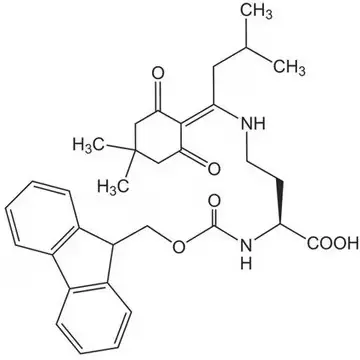
  • In peptide synthesis, Dab requires orthogonal protecting group strategies, commonly using derivatives like Dde-Dab(Fmoc)-OH, to enable selective deprotection and site-specific functionalization during solid-phase peptide synthesis.
  • Dab-containing peptides have demonstrated antitumoral activity against human glioma cells, attributed to concentrated uptake leading to osmotic cellular lysis.
  • The incorporation of Dab into cyclic dipeptides enables the formation of conformationally constrained structures, such as 5-membered lactam rings, which are valuable for studying protein structure-function relationships.

Chemical Fundamentals of 2,4-Diaminobutyric Acid

Definition and Structural Characteristics of Dab

2,4-Diaminobutyric acid is formally defined as a diamino acid derived from butyric acid, wherein hydrogen atoms at positions 2 and 4 are replaced by amino groups. Its molecular formula is C4H10N2O2, with an average mass of 118.13 g/mol. The compound features an alpha amino group adjacent to the carboxylic acid and a gamma amino group at the end of the aliphatic chain, creating a structure with two positively charged centers at physiological pH. This dual cationic character distinguishes Dab from standard amino acids and imparts unique physicochemical properties, including enhanced water solubility and the ability to participate in multiple hydrogen-bonding interactions.

Isomeric Forms and Stereochemistry

A critical aspect of Dab chemistry is its existence as two distinct stereoisomers due to the chiral center at the alpha carbon. The L-isomer (S-configuration) and D-isomer (R-configuration) exhibit profound differences in their biological activities. Research has demonstrated that S(+)-2,4-diaminobutyric acid is approximately 20 times more potent than the R(-) stereoisomer as an inhibitor of sodium-dependent GABA uptake in rat brain slices. Interestingly, both isomers display equipotent inhibition of sodium-independent GABA binding to brain membranes, suggesting that the stereospecificity relates specifically to transporter interactions rather than receptor binding. This stereochemical discrimination underscores the importance of using the correct isomer when designing Dab-containing peptides for neurobiological applications.

Find out more about peptide synthesis here.

Dab Applications in Peptide Synthesis

Orthogonal Protection Strategies

The incorporation of Dab into synthetic peptides presents unique challenges due to the presence of two reactive amino groups that must be differentially protected during solid-phase peptide synthesis (SPPS). Commercial suppliers offer specialized derivatives such as Dde-Dab(Fmoc)-OH (CAS 1263045-85-7), which features both Dde and Fmoc protecting groups. This orthogonal protection scheme allows for selective deprotection of the N-terminal Fmoc group during chain assembly while maintaining the Dde protection on the side chain amino group. Consequently, researchers can achieve site-specific functionalization of the Dab residue after peptide synthesis is complete, enabling the creation of branched peptides, cyclic structures, or conjugates with fluorophores or other probes.

Formation of Conformationally Constrained Peptides

Dab serves as an exceptional building block for introducing conformational constraints into peptide structures. When incorporated into peptide sequences, the gamma amino group can participate in cyclization reactions to form 5-membered lactam rings. Research has demonstrated that Boc derivatives of 2,4-diaminobutyric acid can be used to synthesize cyclic dipeptides that serve as substrates for incorporation into proteins using modified ribosomal systems. These conformationally constrained analogues provide valuable tools for studying protein folding, enzyme-substrate interactions, and the structural requirements for biological activity. The ability to lock peptides into specific conformations through Dab-mediated cyclization has important implications for drug discovery and the development of peptide-based therapeutics.

Dab
Dde-Dab(Fmoc)-OH

Biological Significance and Pharmacological Activity of Dab

Interaction with GABAergic Systems

One of the most extensively studied biological activities of Dab relates to its interaction with the GABA neurotransmitter system. As a structural analogue of gamma-aminobutyric acid, Dab acts as an inhibitor of sodium-dependent GABA uptake in neuronal tissues. This property has made Dab-containing peptides valuable pharmacological tools for investigating GABAergic neurotransmission and developing potential therapeutic agents for neurological disorders. The stereospecificity of this inhibition, with the S(+) isomer being substantially more potent, highlights the importance of chiral purity in Dab-based research compounds.

Anticancer Properties

Emerging evidence suggests that Dab possesses antitumoral activity, particularly against glioma cells. The compound is transported into cells by the System A amino acid transporter, and its concentrated uptake in glioma cells can lead to osmotic lysis. This mechanism exploits the enhanced metabolic demands of cancer cells and their increased expression of amino acid transporters. The potential for Dab to serve as a selective anticancer agent, especially against brain tumors, represents an exciting avenue for therapeutic development. Researchers exploring this application rely on custom peptide synthesis services to create Dab-containing compounds with optimized pharmacokinetic properties.

Find out about high-speed RUSH synthesis.

Frequently Asked Questions (FAQ)

What is the difference between 2,4-diaminobutyric acid and ornithine?

Both are diamino acids, but they differ in chain length. 2,4-Diaminobutyric acid (Dab) has a four-carbon backbone with amino groups at positions 2 and 4, whereas ornithine has a five-carbon backbone with amino groups at positions 2 and 5. This structural difference affects the ring size when forming cyclic derivatives. Dab forms 5-membered lactams, while ornithine forms 6-membered rings.

Why is orthogonal protection necessary for Dab in peptide synthesis?

Dab contains two chemically similar amino groups that must be selectively deprotected during SPPS. Orthogonal protecting groups like Dde and Fmoc allow researchers to remove one protecting group without affecting the other, enabling precise control over where modifications occur. This is essential for creating branched peptides, cyclic structures, or site-specifically labeled conjugates.

Can Dab be incorporated into peptides for therapeutic applications?

Yes, Dab-containing peptides have shown promise in various therapeutic contexts, particularly as anticancer agents targeting glioma cells and as pharmacological tools for studying GABAergic neurotransmission. However, researchers must carefully consider the stereoisomer used, as biological activity differs dramatically between L- and D-forms.

How does Dab affect peptide conformation?

The dual amino groups of Dab enable the formation of intramolecular lactam bridges, creating conformationally constrained cyclic peptides. These constraints can stabilize specific secondary structures, such as turns or helices, and provide insights into the bioactive conformations required for target interactions.


JOHNSTON, G. A. R., & TWITCHIN, B. (1977). STEREOSPECIFICITY OF 2,4‐DIAMINOBUTYRIC ACID WITH RESPECT TO INHIBITION OF 4‐AMINOBUTYRIC ACID UPTAKE AND BINDING. British Journal of Pharmacology, 59(1), 218–219. https://doi.org/10.1111/j.1476-5381.1977.tb06998.x

Zhang, C., Bai, X., Dedkova, L. M., & Hecht, S. M. (2020). Protein synthesis with conformationally constrained cyclic dipeptides. Bioorganic & Medicinal Chemistry, 28(22), 115780. https://doi.org/10.1016/j.bmc.2020.115780

Batoon, P., & Ren, J. (2015). Proton affinity of dipeptides containing alanine and diaminobutyric acid. International Journal of Mass Spectrometry, 378, 151–159. https://doi.org/10.1016/j.ijms.2014.07.025

Abz Fluorescent Labeling in Peptides

Abz
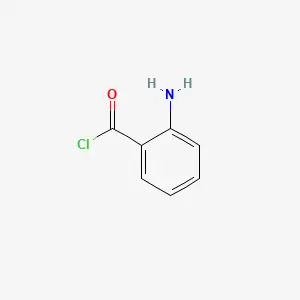
2-Aminobenzoyl Chloride

Fluorescent Labeling with Abz, where Abz stands for 2-aminobenzoyl, is an indispensable technique in biochemical and pharmacological research, particularly for studying enzyme kinetics and protein interactions. As a highly efficient fluorescent donor, Abz is renowned for its optimal spectral properties, including significant Stokes shift and high quantum yield, which facilitate sensitive detection in complex biological matrices. Its primary utility lies in Fluorescence Resonance Energy Transfer (FRET)-based assays, where it is paired with quenchers like 3-nitro-tyrosine (Tyr(NO2)) or 2,4-dinitrophenyl (Dnp) to create sensitive substrates for proteolytic enzymes. Consequently, this powerful labeling strategy enables real-time monitoring of protease activity, precise determination of kinetic parameters, and high-throughput screening of potential therapeutic inhibitors.


Key Takeaways

  • Abz is an excellent fluorescent donor in FRET systems owing to its favorable photophysical properties, including a high quantum yield and a favorable Stokes shift.
  • It is most commonly used in donor-quencher pairs (e.g., Abz/Dnp or Abz/Tyr(NO2)) to create fluorogenic substrates for monitoring protease activity.
  • Fluorescence quenching in these substrates is relieved upon enzymatic cleavage, generating a measurable increase in fluorescence intensity.
  • Abz-labeled peptides are crucial tools for studying enzymes like ACE (Angiotensin-Converting Enzyme) and various matrix metalloproteinases (MMPs).
  • The site-specific incorporation of Abz during solid-phase peptide synthesis (SPPS) allows for the custom design of sensitive and specific assay probes.

Fundamentals of the Abz Fluorophore

Chemical Structure and Spectral Properties

The 2-aminobenzoyl (Abz) group is a derivative of anthranilic acid. Its structure features an aromatic benzene ring coupled with an electron-donating amino group, which is responsible for its strong fluorescence. Abz is typically excited in the near-ultraviolet to blue region, with a maximum absorbance around 320 nm, and emits blue fluorescence with a peak around 420 nm. This separation between excitation and emission wavelengths, known as the Stokes shift, is advantageous as it minimizes interference from scattered excitation light, thereby enhancing signal-to-noise ratios in assays.

The Principle of FRET and Quenching

The exceptional utility of Abz arises from its role in fluorescence quenching mechanisms. In a typical application, the Abz fluorophore is chemically incorporated into a peptide sequence at one site, while a suitable quencher molecule is attached at another. When in close proximity, the energy from the excited Abz is non-radiatively transferred to the quencher, resulting in low background fluorescence. This intact, quenched molecule serves as a fluorogenic substrate. Upon cleavage by a specific protease at the site between the donor and quencher, the physical separation disrupts the energy transfer. This disruption leads to a dramatic increase, often a 20 to 30-fold enhancement, in Abz fluorescence, which can be monitored in real-time.

Find out more about fluorescent peptides here.

Primary Applications in Biomedical Research

Monitoring Protease Activity and Kinetics

Abz-based fluorogenic substrates are a gold standard for studying proteolytic enzymes. The design is versatile: a target protease’s cleavage sequence is flanked by the Abz donor and an appropriate quencher. For example, substrates like Abz-FRK(Dnp)P-OH are specifically designed for the enzyme ACE (Angiotensin-Converting Enzyme), a key target in hypertension and heart failure research. The real-time increase in fluorescence directly correlates with enzyme activity, allowing researchers to calculate critical kinetic parameters, such as the Michaelis constant (Km) and the catalytic rate constant (kcat), with high precision and sensitivity.

High-Throughput Drug Screening

The sensitivity and adaptability of Abz-based assays make them ideal for high-throughput screening (HTS) platforms in drug discovery. Pharmaceutical companies and research laboratories routinely use these substrates to screen vast chemical libraries for potential inhibitors of disease-relevant proteases. Targets include renin (involved in blood pressure regulation), beta-secretase (BACE-1) (implicated in Alzheimer’s disease), and various cathepsins and matrix metalloproteinases (MMPs) associated with cancer metastasis and inflammatory diseases. The homogeneous, “mix-and-read” format of these assays significantly accelerates the discovery of lead compounds.

Investigating Protein-Protein Interactions

Beyond simple cleavage assays, the Abz fluorophore can be used in more sophisticated FRET-based binding studies. In this context, Abz is attached to one protein, while a compatible acceptor fluorophore (not a quencher) is attached to its binding partner. A change in FRET efficiency signals a binding event or a conformational change. This application is powerful for characterizing antibody-antigen interactions, studying receptor-ligand dynamics, and probing structural changes within large protein complexes.

Synthesis and Implementation

Incorporation into Peptide Sequences

The integration of the Abz group into peptides is achieved through standard solid-phase peptide synthesis (SPPS) protocols. Special Fmoc-protected Abz derivatives are commercially available and function like standard amino acids during the synthesis cycle. This allows for precise, site-specific incorporation at the N-terminus, the C-terminus, or even at internal positions within the peptide chain, providing immense flexibility in probe design. Specialized service providers, such as LifeTein, offer custom peptide synthesis with Abz and various quenchers, enabling researchers to obtain high-purity, assay-ready substrates without the need for in-house synthetic expertise.

Designing an Effective Substrate

Creating an optimal Abz-labeled substrate requires careful consideration:

  1. Selection of Quencher: The quencher must have a strong spectral overlap with Abz’s emission. Dnp and Tyr(NO2) are classic, effective, and economical choices.
  2. Cleavage Sequence: The peptide linker must contain the specific recognition and cleavage sequence for the target enzyme.
  3. Length and Flexibility: The peptide must be long enough to allow efficient FRET when intact but should not hinder enzyme access to the cleavage site.

Find out more about peptide synthesis here.

Frequently Asked Questions (FAQ)

What does “Abz” stand for in peptide labeling?

Abz is the standard abbreviation for 2-aminobenzoyl, a fluorescent aromatic group derived from anthranilic acid. It functions as a highly efficient donor fluorophore in fluorescence-based assays.

How does an Abz/Dnp-labeled peptide work in a protease assay?

In an Abz/Dnp-labeled peptide, the Dnp group acts as a quencher for Abz fluorescence via FRET. When the intact peptide is excited, minimal fluorescence is detected. Upon cleavage by a specific protease between the two labels, they separate, FRET is abolished, and a strong increase in Abz fluorescence occurs, providing a direct measure of protease activity.

What are the main advantages of using Abz over other fluorophores like FAM or FITC?

Abz offers several key advantages: its larger Stokes shift reduces spectral interference, it is generally more photostable than fluorescein derivatives, and its excitation in the UV range can minimize background autofluorescence from biological samples, which is often excited at higher wavelengths.

Karaseva, M. A., Chukhontseva, K. N., Lemeskina, I. S., Pridatchenko, M. L., Kostrov, S. V., & Demidyuk, I. V. (2019). An Internally Quenched Fluorescent Peptide Substrate for Protealysin. Scientific Reports, 9(1). https://doi.org/10.1038/s41598-019-50764-2

Bernegger, S., Brunner, C., Vizovišek, M., Fonovic, M., Cuciniello, G., Giordano, F., Stanojlovic, V., Jarzab, M., Simister, P., Feller, S. M., Obermeyer, G., Posselt, G., Turk, B., Cabrele, C., Schneider, G., & Wessler, S. (2020). A novel FRET peptide assay reveals efficient Helicobacter pylori HtrA inhibition through zinc and copper binding. Scientific Reports, 10(1). https://doi.org/10.1038/s41598-020-67578-2

KLH: Should My Peptide Be Conjugated To It?

KLH

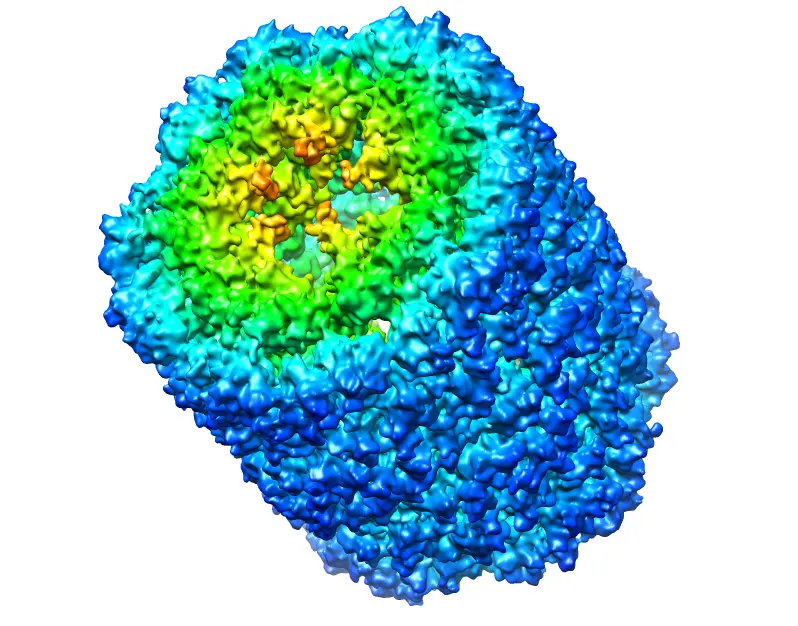
Keyhole limpet hemocyanin (KLH) is a well-established cornerstone in the generation of peptide-specific antibodies. As a large, highly immunogenic carrier protein sourced from the marine mollusk Megathura crenulata, its primary function is to provide the necessary T-cell help that small, weakly immunogenic peptide antigens lack on their own. The covalent conjugation of your peptide to KLH is often the decisive step in transforming a simple sequence into a potent immunogen capable of eliciting a robust and high-titer antibody response. However, this strategy is not universally optimal; a successful outcome hinges on understanding the benefits, potential pitfalls, and key alternatives before proceeding.


Key Takeaways

  • KLH is a powerful immunogenic carrier that provides T-cell epitopes, essential for generating strong, class-switched antibody responses against small peptides.
  • The primary goal of conjugation is to enhance immunogenicity. Keyhole limpet hemocyanin has been demonstrated as an optimal carrier, significantly outperforming other proteins in eliciting peptide-specific antibodies in comparative studies.
  • A significant drawback is the “carrier effect,” where the immune system can disproportionately target KLH-derived epitopes or terminal peptide “neo-epitopes,” potentially reducing the yield of antibodies against the core peptide of interest.
  • Strategic peptide design is critical. LifeTein recommends targeting solvent-exposed, flexible regions (often C- or N-terminal), using sequences of 8-20 amino acids, and managing hydrophobicity for solubility.
  • A key alternative is the Multiple Antigenic Peptide (MAP) system, which uses a branched lysine core to present multiple peptide copies without a biological carrier, thereby avoiding anti-carrier antibodies and focusing the response on the peptide.

What is KLH and Why is it Used?

KLH is a high-molecular-weight, copper-containing glycoprotein renowned for its strong immunogenicity and low toxicity in animals and humans. Its effectiveness stems from its size and complex structure, which are rich in foreign epitopes that can be recognized by helper T cells of the host immune system. Peptides, especially those shorter than 20 amino acids, are typically too small to be efficiently recognized by B cells and lack the necessary T-cell epitopes to stimulate a mature, high-affinity IgG response. By conjugating the peptide to Keyhole limpet hemocyanin, you effectively “piggyback” its presentation onto a protein that efficiently engages both arms of the adaptive immune system, leading to enhanced antibody titers and isotype maturation (e.g., increased IgG1).

The Compelling Benefits of KLH Conjugation

Superior Immunogenic Potency

Extensive research validates KLH’s role as the benchmark carrier. A pivotal study comparing carrier proteins for cancer antigen vaccines concluded that the covalent attachment to KLH was optimal for inducing potent antibody responses. Recent methodologies further leverage KLH’s potency by combining it with rational peptide sequence optimization, demonstrating that KLH-conjugated, engineered peptides elicit stronger antibody titers and improved affinity against native target sequences.

Find more peptide conjugation here.

Proven Conjugation Chemistry

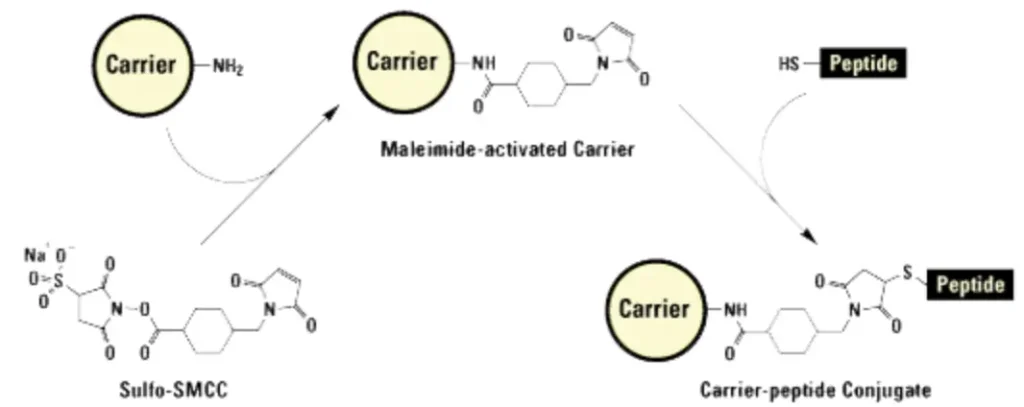
Reliable, kit-based methods exist for conjugating peptides to KLH. The two most common strategies are:

  • Maleimide Chemistry: Used for peptides with a terminal cysteine residue. The thiol group of cysteine forms a stable thioether bond with a maleimide-activated KLH molecule.
  • Carbodiimide (EDC) Chemistry: Used to conjugate peptides via carboxyl-to-amine crosslinking, typically targeting the N-terminus or lysine side chains of the peptide to lysines on KLH.
    These standardized protocols yield consistent conjugation efficiencies, allowing for predictable immunogen preparation.
KLH

Critical Considerations and Potential Drawbacks

The Carrier-Specific Response and Neo-Epitope Problem

A major consideration is that the immune system will also generate a vigorous response against KLH itself. This “carrier effect” is not inherently problematic but must be accounted for in assay design. More importantly, research indicates that antibodies raised against peptide-KLH conjugates can be disproportionately directed against the terminal amino acids of the peptide (the linkage region), creating “neo-epitopes” not present in the native, full-length protein. This can result in antisera with poor recognition of the target protein, as the most immunogenic part of the immunogen (the peptide terminus) is irrelevant to the final application.

Solubility and Handling Challenges

Keyhole limpet hemocyanin is notorious for its limited solubility, which can complicate conjugation and handling. While commercial formulations like PEGylated KLH improve solubility, this adds an extra layer of complexity. Furthermore, the large size of the KLH-peptide conjugate can sometimes cause steric hindrance, potentially masking the very epitope you aim to target, especially if it is internal rather than terminal.

Making the Decision: A Framework for Your Project

The choice to use KLH should be guided by your specific experimental goals and the nature of your peptide.

FactorFavor KLH ConjugationConsider Alternatives (e.g., MAPs)
Primary GoalMaximizing overall antibody titer for a challenging, small peptide.Focusing the immune response exclusively on the peptide sequence; avoiding carrier interference.
Peptide NaturePeptide is short (8-20 aa), linear, and has a terminal cysteine or lysine for clean conjugation.Peptide sequence is internal or poorly soluble; you require a defined, carrier-free immunogen.
Antibody UseSubsequent assays (e.g., ELISA, WB) can be designed to minimize KLH interference.You need antisera for direct cell surface staining or functional assays where anti-KLH antibodies could cause background.
Technical PreferenceYou prefer established, kit-based conjugation protocols.You want direct control over the molar amount of peptide immunogen without a variable carrier protein.

The Multiple Antigenic Peptide (MAP) Alternative

A powerful alternative to carrier conjugation is the Multiple Antigenic Peptide (MAP) system. This involves synthesizing your peptide on a branched lysine core, creating a macromolecule where the peptide itself constitutes up to 95% of the mass. MAPs are intrinsically immunogenic due to their size and high epitope density, requiring no foreign carrier protein. This eliminates the anti-KLH response and focuses the immune system entirely on the peptide antigen, which can be advantageous for generating highly specific antibodies.

Find out more about peptide synthesis here.

Frequently Asked Questions (FAQ)

Is KLH safe to use for immunization?

Yes. KLH is widely used in both research and clinical settings due to its high immunogenicity and low toxicity. It has been employed in human cancer vaccine trials and as an immunomodulator for decades.

How many peptides should I conjugate to each KLH molecule?

A high ratio is standard. Protocols often use a molar ratio of 80:1 (peptide:KLH) or similar to ensure the carrier surface is densely decorated with hapten, maximizing B-cell receptor engagement. Commercial activation kits are optimized to provide a high number of conjugation sites per KLH molecule.

Can I use something other than KLH as a carrier?

Yes, other proteins like bovine serum albumin (BSA) or ovalbumin (OVA) are common. However, KLH is generally preferred for primary immunization due to its superior foreignness and immunogenicity. BSA or OVA are often used as coating antigens in assay development to avoid detecting anti-carrier antibodies from the serum.

Where can I get help designing my peptide antigen and conjugation strategy?

Specialized peptide service providers like LifeTein offer free bioinformatics tools and expert support for peptide antigen design, considering factors like solubility, hydrophilicity, and conjugation site selection to maximize your chances of success.

References:

Chen, C.-H., Chiu, Y.-C., Huang, K.-Y., Huang, H.-H., Kuo, T.-W., Liu, Y.-C., Kao, H.-J., Yu, C.-L., Weng, S.-L., & Liao, K.-W. (2025). A Reproducible Sequence-Level Strategy to Enhance Peptide Immunogenicity While Preserving Wild-Type Epitope Recognition. Antibodies, 14(4), 106. https://doi.org/10.3390/antib14040106

Aarntzen, E. H. J. G., de Vries, I. J. M., Göertz, J. H., Beldhuis-Valkis, M., Brouwers, H. M. L. M., van de Rakt, M. W. M. M., van der Molen, R. G., Punt, C. J. A., Adema, G. J., Tacken, P. J., Joosten, I., & Jacobs, J. F. M. (2012). Humoral anti-KLH responses in cancer patients treated with dendritic cell-based immunotherapy are dictated by different vaccination parameters. Cancer Immunology, Immunotherapy, 61(11), 2003–2011. https://doi.org/10.1007/s00262-012-1263-z

Kim, S. K., Ragupathi, G., Cappello, S., Kagan, E., & Livingston, P. O. (2000). Effect of immunological adjuvant combinations on the antibody and T-cell response to vaccination with MUC1–KLH and GD3–KLH conjugates. Vaccine, 19(4–5), 530–537. https://doi.org/10.1016/s0264-410x(00)00195-x

Pon, R., Marcil, A., Chen, W., Gadoury, C., Williams, D., Chan, K., Zhou, H., Ponce, A., Paquet, E., Gurnani, K., Chattopadhyay, A., & Zou, W. (2020). Masking terminal neo-epitopes of linear peptides through glycosylation favours immune responses towards core epitopes producing parental protein bound antibodies. Scientific Reports, 10(1). https://doi.org/10.1038/s41598-020-75754-7

Oyelaran, O., & Gildersleeve, J. C. (2010). Evaluation of human antibody responses to keyhole limpet hemocyanin on a carbohydrate microarray. PROTEOMICS – Clinical Applications, 4(3), 285–294. https://doi.org/10.1002/prca.200900130


Unusual Amino Acids: Octahydroindole-2-carboxylic acid (Oic)

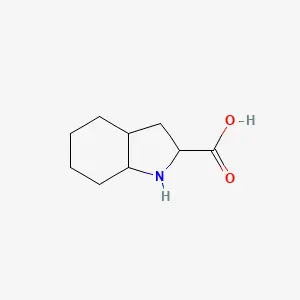
Octahydroindole-2-carboxylic acid

Octahydroindole-2-carboxylic acid (Oic) is a prominent non-proteinogenic, bicyclic amino acid that has become an indispensable tool in advanced peptide design and peptidomimetic chemistry. As a conformationally constrained analogue of proline, Oic introduces significant backbone rigidity and enhanced lipophilicity when incorporated into peptide sequences. These properties are strategically employed to overcome major limitations of therapeutic peptides, such as poor metabolic stability and low bioavailability, by stabilizing specific secondary structures and improving membrane permeability. Consequently, Oic serves as a critical building block in pharmaceuticals, notably in antihypertensive drugs like perindopril and trandolapril, and in clinical-stage compounds for conditions ranging from hereditary angioedema to neurodegenerative diseases.


Key Takeaways

  • Conformational Constraint: Oic’s bicyclic structure imparts significant rigidity to the peptide backbone, effectively stabilizing turns and helices and drastically reducing conformational flexibility.
  • Enhanced Lipophilicity: The fused cyclohexane ring increases the hydrophobic character of the amino acid, which can improve a peptide’s passive membrane permeability and overall bioavailability.
  • Stereochemical Complexity: With three stereogenic centers, Oic has eight possible stereoisomers. The (2S,3aS,7aS)-isomer (L-Oic) is the most prevalent in drug applications, with each isomer offering unique conformational properties.
  • Synthetic Accessibility: Oic is used in peptide synthesis via commercially available, orthogonally protected derivatives like Fmoc-L-Oic-OH and Boc-L-Oic-OH, which are compatible with standard solid-phase peptide synthesis (SPPS) protocols.
  • Proteolytic Stability: Peptides incorporating Oic exhibit increased resistance to enzymatic degradation, as the rigid structure and non-natural character hinder protease recognition and cleavage.

Chemical Structure and Fundamental Properties

Octahydroindole-2-carboxylic acid features a bicyclic system comprising a proline-like pyrrolidine ring fused to a cyclohexane ring. This structure classifies it as a bicyclic proline analogue. The complete saturation of the system (octahydro-) contributes to its high lipophilicity compared to standard amino acids.

A key feature of Oic is its stereochemical complexity. The molecule possesses three chiral centers (at the 2, 3a, and 7a positions), leading to eight possible stereoisomers. The specific (2S,3aS,7aS) configuration, known as L-Oic, is the isomer most commonly employed in pharmaceutical and peptide research due to its commercial availability and proven utility in bioactive compounds. The stereochemistry at these centers critically influences the three-dimensional orientation of the cyclohexane ring, which in turn dictates the conformational impact Oic exerts on a peptide chain.

Find out more about peptide synthesis here.

Conformational Impact on Peptide Structure

Induction of Backbone Rigidity

The primary structural effect of incorporating Oic is the severe restriction of the φ and ψ backbone dihedral angles at the site of incorporation. This backbone rigidity reduces the entropic penalty upon binding to a target and helps pre-organize the peptide into a bioactive conformation.

Stabilization of Polyproline II Helices

Research has demonstrated that oligomers of Oic spontaneously form stable polyproline type II (PPII) helices, which are extended, left-handed helical structures. The fused cyclohexane ring in a chair conformation anchors the pyrrolidine ring in an exo puckering, which strongly favors the trans configuration of the preceding amide bond. This preference propagates through the chain, leading to a cooperative stabilization of the entire PPII helix. This makes Oic an ideal building block for constructing stable, hydrophobic PPII scaffolds, which are relevant in molecular recognition and biomaterial science.

Promotion of Beta-Turns

In shorter peptide sequences, Oic is exceptionally effective at nucleating and stabilizing beta-turn structures, particularly type II’ β-turns. Its constrained geometry perfectly accommodates the *i+1* or *i+2* position of a turn, making it a valuable tool for cyclizing peptides or mimicking surface loops of proteins in drug design.

Octahydroindole-2-carboxylic acid
Possible configuration of Octahydroindole-2-carboxylic acid (Oic)

Synthesis and Incorporation into Peptides

Synthetic Routes to Oic

The synthesis of enantiomerically pure Oic, especially non-commercial stereoisomers, presents a considerable challenge due to its three stereocenters. Methodologies reported in the literature include:

  • Stereoselective synthesis from chiral precursors.
  • Diastereomeric resolution of racemic mixtures via salt formation or chromatography.
  • Epimerization and selective functionalization strategies, such as the formation of a trichloromethyloxazolidinone derivative to separate epimers.
    Industrial routes, as detailed in patents for drugs like trandolapril, often involve multi-step sequences starting from materials like L-serine or indoline-2-carboxylic acid.

Use in Solid-Phase Peptide Synthesis (SPPS)

For peptide chemists, Oic is readily incorporated using standard Fmoc-SPPS or Boc-SPPS strategies. The amino acid is commercially available in forms suitable for these techniques:

Protected FormCAS NumberCommon UseKey Feature
Fmoc-L-Oic-OH130309-37-4Fmoc-SPPSBase-labile Fmoc protection allows for iterative coupling.
Boc-L-Oic-OH109523-13-9Boc-SPPSAcid-labile Boc protection.
L-Oic-OH (unprotected)80875-98-5General synthesisFree amino acid for solution-phase synthesis or as a starting material.

These derivatives ensure efficient and selective incorporation into growing peptide chains on automated synthesizers.

Applications in Pharmaceutical and Peptide Science

Oic’s unique properties have led to its successful integration into several high-profile therapeutic agents:

  • Antihypertensive Drugs: Oic is the key dipeptide mimic in perindopril and trandolapril, both angiotensin-converting enzyme (ACE) inhibitors. Its rigid structure is critical for potent enzyme binding.
  • Bradykinin B2 Receptor Antagonists: The drug icatibant (HOE 140), used to treat hereditary angioedema, contains Oic as a substitute for proline, conferring potent antagonism and high metabolic stability.
  • Enzyme Inhibitors: Oic-based compounds like S 17092 are potent inhibitors of prolyl oligopeptidase (POP), a target for cognitive disorders, showcasing their utility in neuropharmacology.
  • Peptidomimetic Design: Beyond direct incorporation, Oic serves as a versatile core structure for designing quaternary amino acid derivatives and other functionalized scaffolds with potential applications in treating joint cartilage damage and as antithrombotic agents.

Find out about high-speed RUSH synthesis.

Frequently Asked Questions (FAQ)

What is the main advantage of using Oic over proline in a peptide?

While both induce conformational constraint, Oic provides significantly greater backbone rigidity and lipophilicity due to its fused, saturated bicyclic structure. This often translates to superior proteolytic stability and enhanced bioavailability in peptide-based therapeutics.

Can Oic be used in standard automated peptide synthesizers?

Yes, absolutely. The commercially available Fmoc-L-Oic-OH and Boc-L-Oic-OH derivatives are fully compatible with standard solid-phase peptide synthesis (SPPS) protocols and coupling reagents, allowing for seamless integration into automated synthesis workflows.

Why is the stereochemistry of Oic so important?

The three-dimensional shape of Oic, dictated by its three stereocenters, determines how it influences peptide folding. Different stereoisomers will project the fused cyclohexane ring in distinct spatial orientations, which can either stabilize or destabilize a desired peptide conformation and dramatically affect binding to a biological target.

Is Oic a natural amino acid?

No, octahydroindole-2-carboxylic acid is a non-proteinogenic, synthetic amino acid. It is not encoded by DNA and is not found in naturally occurring ribosomal proteins, though motifs similar to its structure exist in some complex natural products like aeruginosins.


Sayago, F. J., Isabel Calaza, M., Jiménez, A. I., & Cativiela, C. (2008). Versatile methodology for the synthesis and α-functionalization of (2R,3aS,7aS)-octahydroindole-2-carboxylic acid. Tetrahedron, 64(1), 84–91. https://doi.org/10.1016/j.tet.2007.10.095

Sayago, F. J., Jiménez, A. I., & Cativiela, C. (2007). Efficient access to N-protected derivatives of (R,R,R)- and (S,S,S)-octahydroindole-2-carboxylic acid by HPLC resolution. Tetrahedron: Asymmetry, 18(19), 2358–2364. https://doi.org/10.1016/j.tetasy.2007.09.006